


Download for free now
Thank you! Your submission has been received!
Oops! Something went wrong while submitting the form.


How do you shape a workplace that doesn’t just function but motivates employees to perform and feel at their best? A place where people want to show up, stay and contribute?
People and culture experts Debbie Martin and Bee Heller dedicated the first series of their podcast Curious Conversations to decoding the science of intrinsic motivation. Through research and real-world examples, they explored what really drives us and how organisations can create conditions for people to feel more motivated at work.
In this conversation, we discuss what leaders can do to tap into the seven sources of intrinsic motivation – belonging, significance, meaning, progress, autonomy, fairness and positive emotions – to influence company culture and build a loyal, energised workforce.
Debbie: At the simplest level, intrinsic motivators come from within us. They’re our internal drivers and the things that matter to us personally. Extrinsic motivators are external drivers. We’re talking about things such as financial rewards, promotions or recognition.
Bee: Most organisations lean on extrinsic motivators because they feel more controllable. You can set pay and bonus schemes and run employee of the month schemes. Intrinsic motivators are more personal. You can’t force someone to feel a sense of meaning at work, but you can create conditions that make it more likely.
The best organisations set the foundation first by focusing on extrinsic motivations. Then they tap into the areas that impact on how people feel at work. It’s about doing both really well.
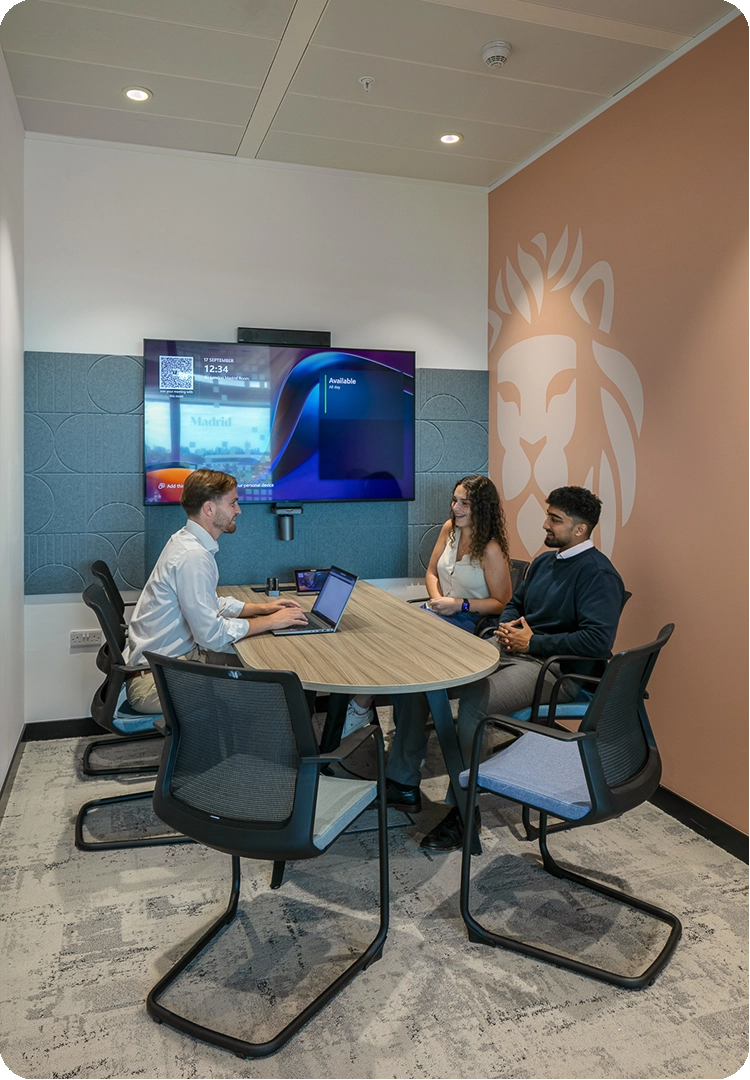
Bee: There’s a clear business case for investing in this. When organisations put employees first, it leads to better customer and client experiences, which ultimately drives long-term business performance.
Debbie: Bonuses and external rewards work in the short term, but intrinsic drivers such as meaning, autonomy and belonging sustain engagement over time.
People who are intrinsically motivated are generally healthier and happier, which reduces absenteeism and presenteeism. When you consider that replacing a single employee can cost around 1.5 times their salary, retention becomes a huge business case for getting this right. We need to be creating places of work where people want to show up.
Bee: At The Pioneers, we’ve used this model of seven sources of intrinsic motivation for a long time. Four of them – meaning, autonomy, positive emotions, and progress – are identified by research in positive psychology as critical factors in helping people to flourish. The other three – belonging, significance and fairness – come from social psychology, neuroscience and anthropology and reflect our deep evolutionary need for social connection.
Debbie: There isn’t a straightforward split. While organisations have a responsibility to create the conditions for motivation, individuals need to engage with what’s on offer. It’s a shared responsibility, and both sides have a role to play.
Bee: Yes, everyone can influence the environment they work in. Take belonging, for example. An organisation can arrange company away days or team lunches, but individuals can contribute by welcoming a new colleague or offering them a coffee. These small actions make a huge difference.
Leaders should focus on what’s within their control. Where are the opportunities to increase the likelihood of people experiencing more intrinsic motivation at work?
Debbie: How a space is designed can enable or block intrinsic motivation. Even simple touches, like noticeboards for social news, build a sense of belonging. Open, shared spaces encourage moments of connection.
To support fairness, each department should feel equally considered and have what they need to feel valued and equipped to succeed. The layout of a workplace can flatten hierarchies or reinforce them.
Bee: If we take positive emotions as another example, there’s some really interesting psychology behind biophilic design – where you bring natural elements such as plants and daylight indoors to boost positive emotions.
The physical workplace is a living, breathing environment. Small, thoughtful touches create micro-moments that, over time, contribute to a more engaging and meaningful workplace experience.
Debbie: Setting expectations and preparing people for what the future is going to be like is great. But it’s not enough to send a video or run a tour. The promised experiences need to come to life. So, you can’t promise a great kitchen area, but then not give your people lunch breaks because you’re too busy. There’s a real balance to be had around the communication beforehand and then putting that into action.
Bee: The closer the priming activity to actually experiencing the actions you want to see, the more powerful it is. It’s not just what you say, it’s what people experience in their first hours and days that shapes their long-term perception and behaviours.
Debbie: It depends on the individual and what drives them, as well as the culture of the organisation. For example, significance (standing out) and belonging (fitting in) sometimes pull in different directions. There may be scenarios when we have to sacrifice one for another. You might feel a strong sense of belonging within a team of developers, but if someone steps forward with an idea that challenges the group’s expertise – like developing an app in a way that doesn’t use the skills of the group – that can be very destabilising.
That said, these motivators can co-exist. You can feel a sense of belonging by having friends at work, and still experience significance by being the one who organises socials.
Bee: At an organisational level, you can be more intentional. It helps to identify signature motivators that align with your brand, culture, stage of growth, or position in the marketplace. For example, a start-up might prioritise progress, belonging and learning, while a hospitality business might focus on positive emotions to create a fun environment that supports staff retention.
You can ease potential tensions just by being clear on which motivators matter most to your organisation right now, and why.
Debbie: Involvement increases perceived value. Being clear about where there are opportunities to have a say and influence decisions is critical, as long as you action them. If you can’t implement suggestions from employees, explain why. If you ask for an opinion but then ignore it, you’ll lose trust. Leaders should think about the areas where they’re open to contributions and ask for team members’ suggestions on those topics so people feel that sense of belonging and autonomy.
Bee: During a workplace change initiative, selecting a team of Change Champions is a fantastic way to encourage people who are motivated by autonomy. You just have to ensure they have real influence, and not just a title.
Debbie: It starts with getting to know your people. Conversations and feedback help identify what drives individuals. Motivation isn’t one-size-fits-all, so it helps to give people options – for example, offering three different bonus rewards for employees to choose from. We need to give people opportunities to make decisions for themselves and to express what’s important to them.
Bee: Onboarding is a key opportunity to find out what matters to people. It could be as simple as learning about someone’s hobbies and connecting them to their tribe.

Debbie: A big part of it is giving meaningful feedback and recognising great work. People don’t often realise what they’re good at until someone points it out. Leaders who offer specific, genuine praise help employees build self-awareness and understand the impact they’re making. The more those conversations happen, the more people learn about themselves.
Bee: And we need to remember that strengths evolve. Organisations should give people the language and frameworks to talk about their strengths and the space for those strengths to shift over time.
Debbie: Often, organisations are doing the right things, but employees don’t see it. Communicating what’s been done as a result of employee feedback is so important. Even if the answer is no, you still have to explain why.
If an organisation sees itself as a fair organisation, but only 18% of employees see themselves as working in a high-fairness environment, something’s being lost in translation. The only way to uncover that is to be in dialogue, and to be transparent.
Bee: Surveys and pulse checks only help if you act on what you hear. And often people need to hear things multiple times before they believe it, so don’t just communicate it once.

Debbie: Whether you’re an organisation or an individual, you have a role to play. Motivation isn’t something that just happens – it’s something you cultivate and nurture through your culture, your environment, and the everyday conversations you choose to have.
How do you shape a workplace that doesn’t just function but motivates employees to perform and feel at their best? A place where people want to show up, stay and contribute?
People and culture experts Debbie Martin and Bee Heller dedicated the first series of their podcast Curious Conversations to decoding the science of intrinsic motivation. Through research and real-world examples, they explored what really drives us and how organisations can create conditions for people to feel more motivated at work.
In this conversation, we discuss what leaders can do to tap into the seven sources of intrinsic motivation – belonging, significance, meaning, progress, autonomy, fairness and positive emotions – to influence company culture and build a loyal, energised workforce.
Debbie: At the simplest level, intrinsic motivators come from within us. They’re our internal drivers and the things that matter to us personally. Extrinsic motivators are external drivers. We’re talking about things such as financial rewards, promotions or recognition.
Bee: Most organisations lean on extrinsic motivators because they feel more controllable. You can set pay and bonus schemes and run employee of the month schemes. Intrinsic motivators are more personal. You can’t force someone to feel a sense of meaning at work, but you can create conditions that make it more likely.
The best organisations set the foundation first by focusing on extrinsic motivations. Then they tap into the areas that impact on how people feel at work. It’s about doing both really well.
Bee: There’s a clear business case for investing in this. When organisations put employees first, it leads to better customer and client experiences, which ultimately drives long-term business performance.
Debbie: Bonuses and external rewards work in the short term, but intrinsic drivers such as meaning, autonomy and belonging sustain engagement over time.
People who are intrinsically motivated are generally healthier and happier, which reduces absenteeism and presenteeism. When you consider that replacing a single employee can cost around 1.5 times their salary, retention becomes a huge business case for getting this right. We need to be creating places of work where people want to show up.
Bee: At The Pioneers, we’ve used this model of seven sources of intrinsic motivation for a long time. Four of them – meaning, autonomy, positive emotions, and progress – are identified by research in positive psychology as critical factors in helping people to flourish. The other three – belonging, significance and fairness – come from social psychology, neuroscience and anthropology and reflect our deep evolutionary need for social connection.
Debbie: There isn’t a straightforward split. While organisations have a responsibility to create the conditions for motivation, individuals need to engage with what’s on offer. It’s a shared responsibility, and both sides have a role to play.
Bee: Yes, everyone can influence the environment they work in. Take belonging, for example. An organisation can arrange company away days or team lunches, but individuals can contribute by welcoming a new colleague or offering them a coffee. These small actions make a huge difference.
Leaders should focus on what’s within their control. Where are the opportunities to increase the likelihood of people experiencing more intrinsic motivation at work?
Debbie: How a space is designed can enable or block intrinsic motivation. Even simple touches, like noticeboards for social news, build a sense of belonging. Open, shared spaces encourage moments of connection.
To support fairness, each department should feel equally considered and have what they need to feel valued and equipped to succeed. The layout of a workplace can flatten hierarchies or reinforce them.
Bee: If we take positive emotions as another example, there’s some really interesting psychology behind biophilic design – where you bring natural elements such as plants and daylight indoors to boost positive emotions.
The physical workplace is a living, breathing environment. Small, thoughtful touches create micro-moments that, over time, contribute to a more engaging and meaningful workplace experience.
Debbie: Setting expectations and preparing people for what the future is going to be like is great. But it’s not enough to send a video or run a tour. The promised experiences need to come to life. So, you can’t promise a great kitchen area, but then not give your people lunch breaks because you’re too busy. There’s a real balance to be had around the communication beforehand and then putting that into action.
Bee: The closer the priming activity to actually experiencing the actions you want to see, the more powerful it is. It’s not just what you say, it’s what people experience in their first hours and days that shapes their long-term perception and behaviours.
Debbie: It depends on the individual and what drives them, as well as the culture of the organisation. For example, significance (standing out) and belonging (fitting in) sometimes pull in different directions. There may be scenarios when we have to sacrifice one for another. You might feel a strong sense of belonging within a team of developers, but if someone steps forward with an idea that challenges the group’s expertise – like developing an app in a way that doesn’t use the skills of the group – that can be very destabilising.
That said, these motivators can co-exist. You can feel a sense of belonging by having friends at work, and still experience significance by being the one who organises socials.
Bee: At an organisational level, you can be more intentional. It helps to identify signature motivators that align with your brand, culture, stage of growth, or position in the marketplace. For example, a start-up might prioritise progress, belonging and learning, while a hospitality business might focus on positive emotions to create a fun environment that supports staff retention.
You can ease potential tensions just by being clear on which motivators matter most to your organisation right now, and why.
Debbie: Involvement increases perceived value. Being clear about where there are opportunities to have a say and influence decisions is critical, as long as you action them. If you can’t implement suggestions from employees, explain why. If you ask for an opinion but then ignore it, you’ll lose trust. Leaders should think about the areas where they’re open to contributions and ask for team members’ suggestions on those topics so people feel that sense of belonging and autonomy.
Bee: During a workplace change initiative, selecting a team of Change Champions is a fantastic way to encourage people who are motivated by autonomy. You just have to ensure they have real influence, and not just a title.
Debbie: It starts with getting to know your people. Conversations and feedback help identify what drives individuals. Motivation isn’t one-size-fits-all, so it helps to give people options – for example, offering three different bonus rewards for employees to choose from. We need to give people opportunities to make decisions for themselves and to express what’s important to them.
Bee: Onboarding is a key opportunity to find out what matters to people. It could be as simple as learning about someone’s hobbies and connecting them to their tribe.
Debbie: A big part of it is giving meaningful feedback and recognising great work. People don’t often realise what they’re good at until someone points it out. Leaders who offer specific, genuine praise help employees build self-awareness and understand the impact they’re making. The more those conversations happen, the more people learn about themselves.
Bee: And we need to remember that strengths evolve. Organisations should give people the language and frameworks to talk about their strengths and the space for those strengths to shift over time.
Debbie: Often, organisations are doing the right things, but employees don’t see it. Communicating what’s been done as a result of employee feedback is so important. Even if the answer is no, you still have to explain why.
If an organisation sees itself as a fair organisation, but only 18% of employees see themselves as working in a high-fairness environment, something’s being lost in translation. The only way to uncover that is to be in dialogue, and to be transparent.
Bee: Surveys and pulse checks only help if you act on what you hear. And often people need to hear things multiple times before they believe it, so don’t just communicate it once.
Debbie: Whether you’re an organisation or an individual, you have a role to play. Motivation isn’t something that just happens – it’s something you cultivate and nurture through your culture, your environment, and the everyday conversations you choose to have.

How do you shape a workplace that doesn’t just function but motivates employees to perform and feel at their best? A place where people want to show up, stay and contribute?
People and culture experts Debbie Martin and Bee Heller dedicated the first series of their podcast Curious Conversations to decoding the science of intrinsic motivation. Through research and real-world examples, they explored what really drives us and how organisations can create conditions for people to feel more motivated at work.
In this conversation, we discuss what leaders can do to tap into the seven sources of intrinsic motivation – belonging, significance, meaning, progress, autonomy, fairness and positive emotions – to influence company culture and build a loyal, energised workforce.
Debbie: At the simplest level, intrinsic motivators come from within us. They’re our internal drivers and the things that matter to us personally. Extrinsic motivators are external drivers. We’re talking about things such as financial rewards, promotions or recognition.
Bee: Most organisations lean on extrinsic motivators because they feel more controllable. You can set pay and bonus schemes and run employee of the month schemes. Intrinsic motivators are more personal. You can’t force someone to feel a sense of meaning at work, but you can create conditions that make it more likely.
The best organisations set the foundation first by focusing on extrinsic motivations. Then they tap into the areas that impact on how people feel at work. It’s about doing both really well.
Bee: There’s a clear business case for investing in this. When organisations put employees first, it leads to better customer and client experiences, which ultimately drives long-term business performance.
Debbie: Bonuses and external rewards work in the short term, but intrinsic drivers such as meaning, autonomy and belonging sustain engagement over time.
People who are intrinsically motivated are generally healthier and happier, which reduces absenteeism and presenteeism. When you consider that replacing a single employee can cost around 1.5 times their salary, retention becomes a huge business case for getting this right. We need to be creating places of work where people want to show up.
Bee: At The Pioneers, we’ve used this model of seven sources of intrinsic motivation for a long time. Four of them – meaning, autonomy, positive emotions, and progress – are identified by research in positive psychology as critical factors in helping people to flourish. The other three – belonging, significance and fairness – come from social psychology, neuroscience and anthropology and reflect our deep evolutionary need for social connection.
Debbie: There isn’t a straightforward split. While organisations have a responsibility to create the conditions for motivation, individuals need to engage with what’s on offer. It’s a shared responsibility, and both sides have a role to play.
Bee: Yes, everyone can influence the environment they work in. Take belonging, for example. An organisation can arrange company away days or team lunches, but individuals can contribute by welcoming a new colleague or offering them a coffee. These small actions make a huge difference.
Leaders should focus on what’s within their control. Where are the opportunities to increase the likelihood of people experiencing more intrinsic motivation at work?
Debbie: How a space is designed can enable or block intrinsic motivation. Even simple touches, like noticeboards for social news, build a sense of belonging. Open, shared spaces encourage moments of connection.
To support fairness, each department should feel equally considered and have what they need to feel valued and equipped to succeed. The layout of a workplace can flatten hierarchies or reinforce them.
Bee: If we take positive emotions as another example, there’s some really interesting psychology behind biophilic design – where you bring natural elements such as plants and daylight indoors to boost positive emotions.
The physical workplace is a living, breathing environment. Small, thoughtful touches create micro-moments that, over time, contribute to a more engaging and meaningful workplace experience.
Debbie: Setting expectations and preparing people for what the future is going to be like is great. But it’s not enough to send a video or run a tour. The promised experiences need to come to life. So, you can’t promise a great kitchen area, but then not give your people lunch breaks because you’re too busy. There’s a real balance to be had around the communication beforehand and then putting that into action.
Bee: The closer the priming activity to actually experiencing the actions you want to see, the more powerful it is. It’s not just what you say, it’s what people experience in their first hours and days that shapes their long-term perception and behaviours.
Debbie: It depends on the individual and what drives them, as well as the culture of the organisation. For example, significance (standing out) and belonging (fitting in) sometimes pull in different directions. There may be scenarios when we have to sacrifice one for another. You might feel a strong sense of belonging within a team of developers, but if someone steps forward with an idea that challenges the group’s expertise – like developing an app in a way that doesn’t use the skills of the group – that can be very destabilising.
That said, these motivators can co-exist. You can feel a sense of belonging by having friends at work, and still experience significance by being the one who organises socials.
Bee: At an organisational level, you can be more intentional. It helps to identify signature motivators that align with your brand, culture, stage of growth, or position in the marketplace. For example, a start-up might prioritise progress, belonging and learning, while a hospitality business might focus on positive emotions to create a fun environment that supports staff retention.
You can ease potential tensions just by being clear on which motivators matter most to your organisation right now, and why.
Debbie: Involvement increases perceived value. Being clear about where there are opportunities to have a say and influence decisions is critical, as long as you action them. If you can’t implement suggestions from employees, explain why. If you ask for an opinion but then ignore it, you’ll lose trust. Leaders should think about the areas where they’re open to contributions and ask for team members’ suggestions on those topics so people feel that sense of belonging and autonomy.
Bee: During a workplace change initiative, selecting a team of Change Champions is a fantastic way to encourage people who are motivated by autonomy. You just have to ensure they have real influence, and not just a title.
Debbie: It starts with getting to know your people. Conversations and feedback help identify what drives individuals. Motivation isn’t one-size-fits-all, so it helps to give people options – for example, offering three different bonus rewards for employees to choose from. We need to give people opportunities to make decisions for themselves and to express what’s important to them.
Bee: Onboarding is a key opportunity to find out what matters to people. It could be as simple as learning about someone’s hobbies and connecting them to their tribe.
Debbie: A big part of it is giving meaningful feedback and recognising great work. People don’t often realise what they’re good at until someone points it out. Leaders who offer specific, genuine praise help employees build self-awareness and understand the impact they’re making. The more those conversations happen, the more people learn about themselves.
Bee: And we need to remember that strengths evolve. Organisations should give people the language and frameworks to talk about their strengths and the space for those strengths to shift over time.
Debbie: Often, organisations are doing the right things, but employees don’t see it. Communicating what’s been done as a result of employee feedback is so important. Even if the answer is no, you still have to explain why.
If an organisation sees itself as a fair organisation, but only 18% of employees see themselves as working in a high-fairness environment, something’s being lost in translation. The only way to uncover that is to be in dialogue, and to be transparent.
Bee: Surveys and pulse checks only help if you act on what you hear. And often people need to hear things multiple times before they believe it, so don’t just communicate it once.
Debbie: Whether you’re an organisation or an individual, you have a role to play. Motivation isn’t something that just happens – it’s something you cultivate and nurture through your culture, your environment, and the everyday conversations you choose to have.