


Download for free now
Thank you! Your submission has been received!
Oops! Something went wrong while submitting the form.


Inclusive workplaces outperform because they bring together leadership behaviours, equitable systems and accessible design. When employees feel safe, respected and empowered, they contribute more fully. This strengthens collaboration, improves retention and unlocks innovation. Evidence shows that inclusive organisations are more creative, more resilient and more profitable.
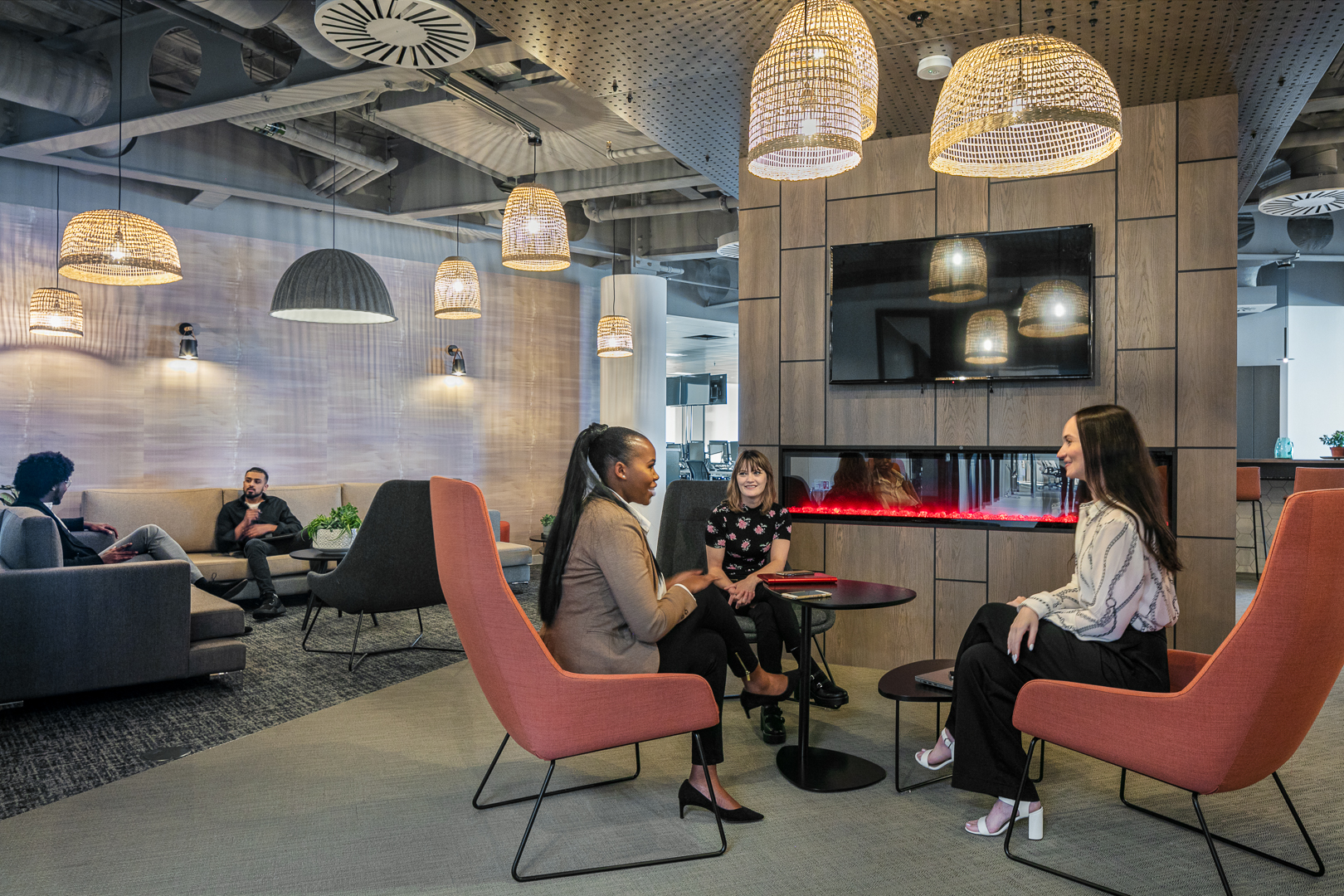

The connection between inclusion and business performance is now undeniable.
McKinsey’s 2023 research showed that companies in the top quartile for gender diversity on executive teams were 36 percent more likely to deliver above-average profitability. This is not correlation alone but a clear demonstration that leadership diversity contributes to the bottom line.
BCG’s 2023 study found that organisations with diverse leadership teams generated 19 percent more innovation-related revenue. A diverse workforce brings different perspectives to problem-solving, which leads to fresh ideas and faster solutions. In markets where agility is critical, that difference is decisive.
Deloitte’s Human Capital Trends (2023) reported that inclusive organisations are six times more likely to be innovative and agile. In practice, this means they adapt faster to disruption, seize new opportunities sooner and sustain performance during downturns.
Taken together, these findings prove that workplace diversity and productivity are linked. For CEOs and HR Directors, the data reframes inclusion from a cultural aspiration into a measurable strategic advantage.
Representation alone is not enough. What matters is how employees experience their workplace. Google’s Project Aristotle showed that psychological safety was the single strongest predictor of high-performing teams. Where people felt able to contribute ideas without fear of blame, results consistently improved.
Harvard Business Review (2022 - 23) reinforced this by examining inclusive leadership behaviours. Leaders who listen actively, welcome diverse perspectives and provide constructive feedback create environments where employees feel safe to speak. This sense of belonging encourages innovation and helps retain talent.
For senior leaders, psychological safety is not a “soft” concept. It is the cultural infrastructure that turns diversity into tangible business outcomes. Without it, organisations risk losing the very benefits they aim to achieve.
To succeed, inclusion must be built into leadership practices and organisational systems. This requires more than policies. It means creating feedback loops where employees can raise concerns safely and see action taken. It involves setting accountability metrics that track retention, promotion and representation across different groups. And it demands that leaders confront unconscious bias in decision-making, ensuring fairness in career development.
Embedding inclusion in this way moves it from aspiration to execution. For HR Directors, it ensures employees experience real equity, not just statements of intent. For CEOs, it signals cultural credibility to boards, investors and external stakeholders. The outcome is a stronger, more resilient organisation with measurable proof of progress.
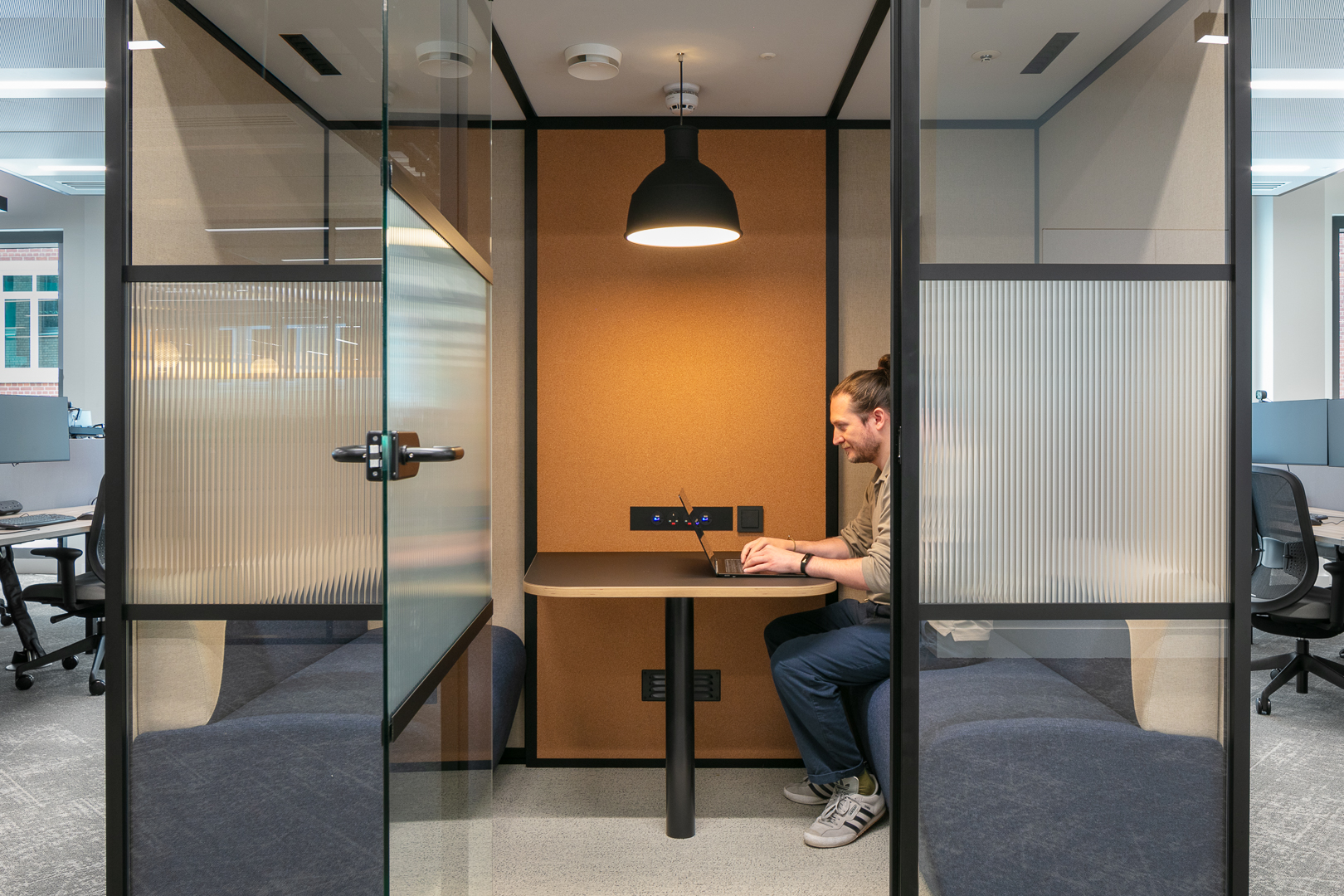
Workplace design plays a vital role in inclusion. An inclusive workplace design considers accessibility, neurodiverse office design principles and cultural inclusion.
Accessibility means step-free circulation, ergonomic furniture, adaptable lighting and digital tools that support a wide range of needs. Neurodiverse office design principles ensure that both quiet, low-stimulus environments and more dynamic, collaborative zones are available. Cultural inclusion is supported through multi-faith rooms, social hubs and visual design cues that help every employee feel represented.

Our work with Flutter Entertainment illustrates the power of design. After a series of acquisitions, Flutter needed a single environment that could bring together multiple brands and workstyles. The new 135,000 square foot Leeds hub supports around 1,600 employees with quiet pods, digitally enabled meeting rooms, social zones and well-being spaces.
The workplace meets WELL building standards and has strengthened communication, pride and cohesion across teams. It shows how inclusive workplace design can deliver cultural alignment and measurable performance improvements at scale.
Like any strategic priority, inclusion needs to be measured. Organisations are now treating it as a capability that can be tracked and improved.
Retention rates reveal whether certain groups are leaving at higher levels, helping leaders address barriers. Engagement surveys show whether employees feel included, respected and supported. Workplace audits confirm whether physical spaces deliver accessibility and equity. Leadership assessments measure whether managers display inclusive behaviours.
Together, these metrics provide a defensible view of progress. They move the conversation from good intentions to accountability. For HR Directors, this evidence strengthens the business case for continued investment. For CEOs, it confirms cultural leadership and reassures investors and analysts that inclusion is not a risk but a performance driver.
Inclusive workplaces combine leadership behaviours, equitable systems and thoughtful design. They enable employees to contribute fully, improve retention, and strengthen resilience. The evidence shows that such workplaces are more profitable, more innovative and better prepared to adapt.
For CHROs, the challenge is to embed inclusion across systems and leadership practices so that employees experience real equity and belonging. For CEOs, the opportunity is to show visible cultural leadership and align the workplace with strategic goals.
In both cases, inclusion is not a discretionary cultural benefit. It is infrastructure for performance - as fundamental as capital or technology.
Inclusive workplaces outperform because they bring together leadership behaviours, equitable systems and accessible design. When employees feel safe, respected and empowered, they contribute more fully. This strengthens collaboration, improves retention and unlocks innovation. Evidence shows that inclusive organisations are more creative, more resilient and more profitable.
The connection between inclusion and business performance is now undeniable.
McKinsey’s 2023 research showed that companies in the top quartile for gender diversity on executive teams were 36 percent more likely to deliver above-average profitability. This is not correlation alone but a clear demonstration that leadership diversity contributes to the bottom line.
BCG’s 2023 study found that organisations with diverse leadership teams generated 19 percent more innovation-related revenue. A diverse workforce brings different perspectives to problem-solving, which leads to fresh ideas and faster solutions. In markets where agility is critical, that difference is decisive.
Deloitte’s Human Capital Trends (2023) reported that inclusive organisations are six times more likely to be innovative and agile. In practice, this means they adapt faster to disruption, seize new opportunities sooner and sustain performance during downturns.
Taken together, these findings prove that workplace diversity and productivity are linked. For CEOs and HR Directors, the data reframes inclusion from a cultural aspiration into a measurable strategic advantage.
Representation alone is not enough. What matters is how employees experience their workplace. Google’s Project Aristotle showed that psychological safety was the single strongest predictor of high-performing teams. Where people felt able to contribute ideas without fear of blame, results consistently improved.
Harvard Business Review (2022 - 23) reinforced this by examining inclusive leadership behaviours. Leaders who listen actively, welcome diverse perspectives and provide constructive feedback create environments where employees feel safe to speak. This sense of belonging encourages innovation and helps retain talent.
For senior leaders, psychological safety is not a “soft” concept. It is the cultural infrastructure that turns diversity into tangible business outcomes. Without it, organisations risk losing the very benefits they aim to achieve.
To succeed, inclusion must be built into leadership practices and organisational systems. This requires more than policies. It means creating feedback loops where employees can raise concerns safely and see action taken. It involves setting accountability metrics that track retention, promotion and representation across different groups. And it demands that leaders confront unconscious bias in decision-making, ensuring fairness in career development.
Embedding inclusion in this way moves it from aspiration to execution. For HR Directors, it ensures employees experience real equity, not just statements of intent. For CEOs, it signals cultural credibility to boards, investors and external stakeholders. The outcome is a stronger, more resilient organisation with measurable proof of progress.
Workplace design plays a vital role in inclusion. An inclusive workplace design considers accessibility, neurodiverse office design principles and cultural inclusion.
Accessibility means step-free circulation, ergonomic furniture, adaptable lighting and digital tools that support a wide range of needs. Neurodiverse office design principles ensure that both quiet, low-stimulus environments and more dynamic, collaborative zones are available. Cultural inclusion is supported through multi-faith rooms, social hubs and visual design cues that help every employee feel represented.
Our work with Flutter Entertainment illustrates the power of design. After a series of acquisitions, Flutter needed a single environment that could bring together multiple brands and workstyles. The new 135,000 square foot Leeds hub supports around 1,600 employees with quiet pods, digitally enabled meeting rooms, social zones and well-being spaces.
The workplace meets WELL building standards and has strengthened communication, pride and cohesion across teams. It shows how inclusive workplace design can deliver cultural alignment and measurable performance improvements at scale.
Like any strategic priority, inclusion needs to be measured. Organisations are now treating it as a capability that can be tracked and improved.
Retention rates reveal whether certain groups are leaving at higher levels, helping leaders address barriers. Engagement surveys show whether employees feel included, respected and supported. Workplace audits confirm whether physical spaces deliver accessibility and equity. Leadership assessments measure whether managers display inclusive behaviours.
Together, these metrics provide a defensible view of progress. They move the conversation from good intentions to accountability. For HR Directors, this evidence strengthens the business case for continued investment. For CEOs, it confirms cultural leadership and reassures investors and analysts that inclusion is not a risk but a performance driver.
Inclusive workplaces combine leadership behaviours, equitable systems and thoughtful design. They enable employees to contribute fully, improve retention, and strengthen resilience. The evidence shows that such workplaces are more profitable, more innovative and better prepared to adapt.
For CHROs, the challenge is to embed inclusion across systems and leadership practices so that employees experience real equity and belonging. For CEOs, the opportunity is to show visible cultural leadership and align the workplace with strategic goals.
In both cases, inclusion is not a discretionary cultural benefit. It is infrastructure for performance - as fundamental as capital or technology.
Inclusive workplaces outperform because they bring together leadership behaviours, equitable systems and accessible design. When employees feel safe, respected and empowered, they contribute more fully. This strengthens collaboration, improves retention and unlocks innovation. Evidence shows that inclusive organisations are more creative, more resilient and more profitable.
The connection between inclusion and business performance is now undeniable.
McKinsey’s 2023 research showed that companies in the top quartile for gender diversity on executive teams were 36 percent more likely to deliver above-average profitability. This is not correlation alone but a clear demonstration that leadership diversity contributes to the bottom line.
BCG’s 2023 study found that organisations with diverse leadership teams generated 19 percent more innovation-related revenue. A diverse workforce brings different perspectives to problem-solving, which leads to fresh ideas and faster solutions. In markets where agility is critical, that difference is decisive.
Deloitte’s Human Capital Trends (2023) reported that inclusive organisations are six times more likely to be innovative and agile. In practice, this means they adapt faster to disruption, seize new opportunities sooner and sustain performance during downturns.
Taken together, these findings prove that workplace diversity and productivity are linked. For CEOs and HR Directors, the data reframes inclusion from a cultural aspiration into a measurable strategic advantage.
Representation alone is not enough. What matters is how employees experience their workplace. Google’s Project Aristotle showed that psychological safety was the single strongest predictor of high-performing teams. Where people felt able to contribute ideas without fear of blame, results consistently improved.
Harvard Business Review (2022 - 23) reinforced this by examining inclusive leadership behaviours. Leaders who listen actively, welcome diverse perspectives and provide constructive feedback create environments where employees feel safe to speak. This sense of belonging encourages innovation and helps retain talent.
For senior leaders, psychological safety is not a “soft” concept. It is the cultural infrastructure that turns diversity into tangible business outcomes. Without it, organisations risk losing the very benefits they aim to achieve.
To succeed, inclusion must be built into leadership practices and organisational systems. This requires more than policies. It means creating feedback loops where employees can raise concerns safely and see action taken. It involves setting accountability metrics that track retention, promotion and representation across different groups. And it demands that leaders confront unconscious bias in decision-making, ensuring fairness in career development.
Embedding inclusion in this way moves it from aspiration to execution. For HR Directors, it ensures employees experience real equity, not just statements of intent. For CEOs, it signals cultural credibility to boards, investors and external stakeholders. The outcome is a stronger, more resilient organisation with measurable proof of progress.
Workplace design plays a vital role in inclusion. An inclusive workplace design considers accessibility, neurodiverse office design principles and cultural inclusion.
Accessibility means step-free circulation, ergonomic furniture, adaptable lighting and digital tools that support a wide range of needs. Neurodiverse office design principles ensure that both quiet, low-stimulus environments and more dynamic, collaborative zones are available. Cultural inclusion is supported through multi-faith rooms, social hubs and visual design cues that help every employee feel represented.
Our work with Flutter Entertainment illustrates the power of design. After a series of acquisitions, Flutter needed a single environment that could bring together multiple brands and workstyles. The new 135,000 square foot Leeds hub supports around 1,600 employees with quiet pods, digitally enabled meeting rooms, social zones and well-being spaces.
The workplace meets WELL building standards and has strengthened communication, pride and cohesion across teams. It shows how inclusive workplace design can deliver cultural alignment and measurable performance improvements at scale.
Like any strategic priority, inclusion needs to be measured. Organisations are now treating it as a capability that can be tracked and improved.
Retention rates reveal whether certain groups are leaving at higher levels, helping leaders address barriers. Engagement surveys show whether employees feel included, respected and supported. Workplace audits confirm whether physical spaces deliver accessibility and equity. Leadership assessments measure whether managers display inclusive behaviours.
Together, these metrics provide a defensible view of progress. They move the conversation from good intentions to accountability. For HR Directors, this evidence strengthens the business case for continued investment. For CEOs, it confirms cultural leadership and reassures investors and analysts that inclusion is not a risk but a performance driver.
Inclusive workplaces combine leadership behaviours, equitable systems and thoughtful design. They enable employees to contribute fully, improve retention, and strengthen resilience. The evidence shows that such workplaces are more profitable, more innovative and better prepared to adapt.
For CHROs, the challenge is to embed inclusion across systems and leadership practices so that employees experience real equity and belonging. For CEOs, the opportunity is to show visible cultural leadership and align the workplace with strategic goals.
In both cases, inclusion is not a discretionary cultural benefit. It is infrastructure for performance - as fundamental as capital or technology.