


Download for free now
Thank you! Your submission has been received!
Oops! Something went wrong while submitting the form.


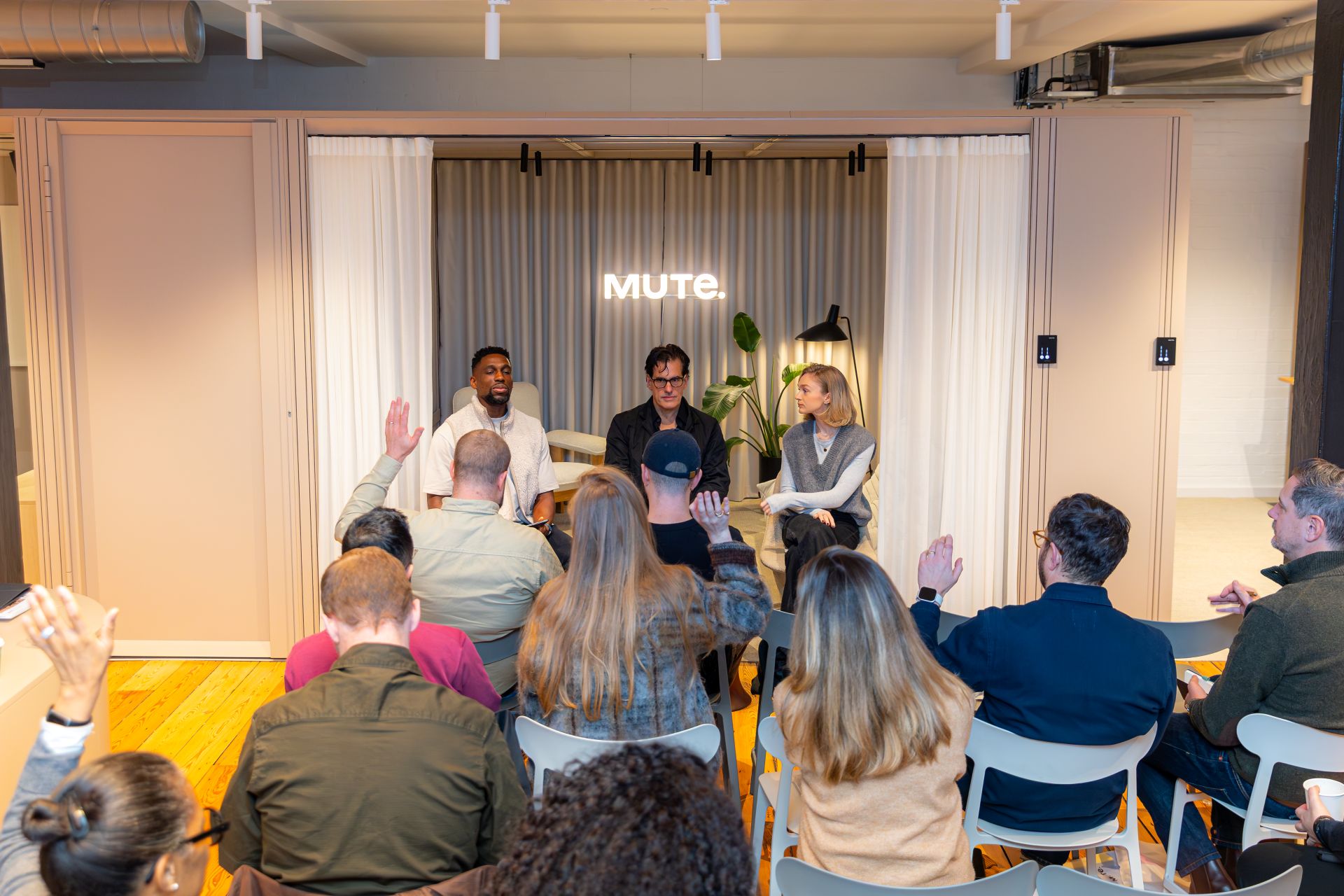
At the recent Brave Ideas event, “Flex Space: What Is the Key to Profitability + Customer Experience?”, the discussion revealed a sector still defining what it wants to be, and for whom. Although many themes felt familiar, core tensions remain around how operators can scale sustainably. Attending the event allowed us to explore these issues firsthand and build on our experience delivering over 1 million sq ft of flex space for industry leaders, while gaining insights from both disruptors and emerging players shaping this dynamic industry.
A recurring theme was the push toward productisation: clear offers, repeatable formats, and a replicable operating model that travels across sites. Operators stressed that the “original concept” of a brand, its intended user, its vibe, and the promise it makes drives everything from roll-out principles to space allocation. This is less about interior design and more about codifying a service experience that can scale without diluting what made the concept compelling in the first place.
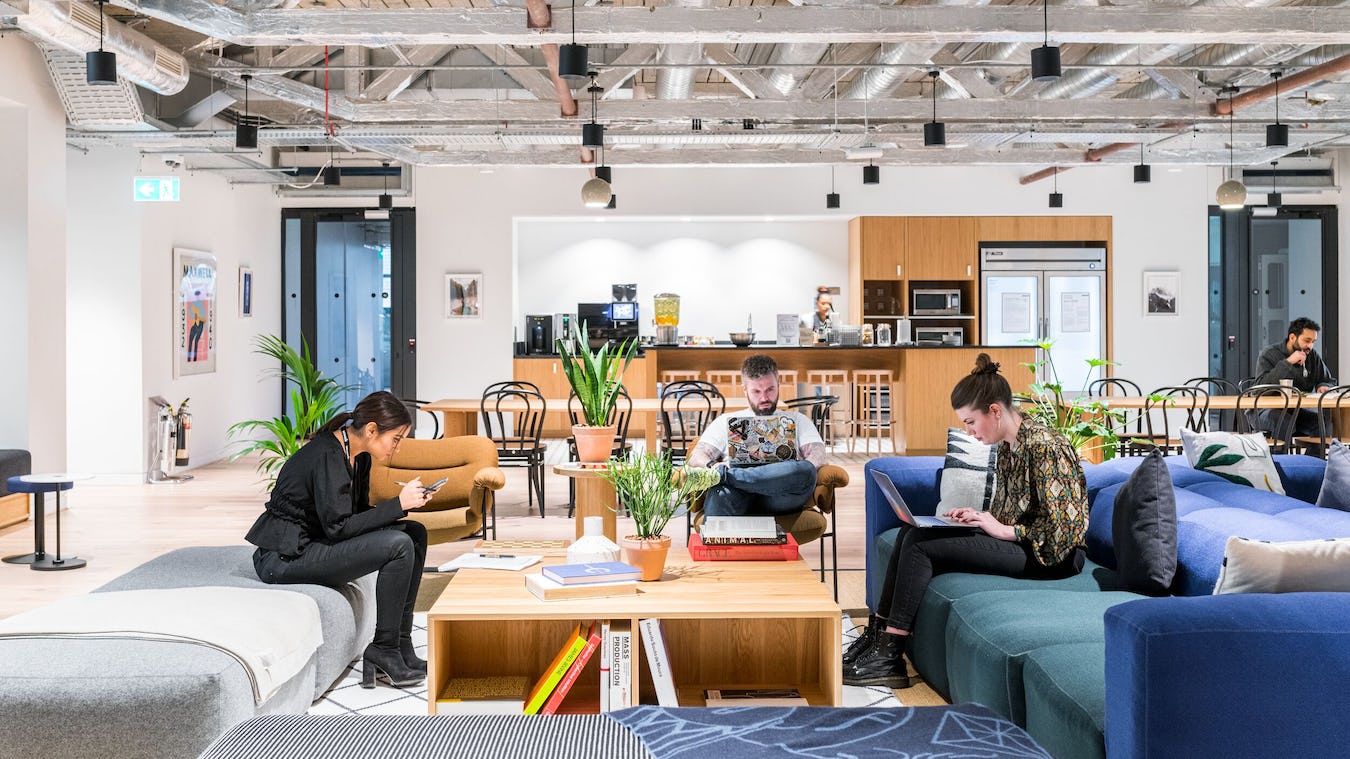
Customer experience (CX) was presented as the gravitational centre of the flex model. Net Promoter Score (NPS) remains the proxy metric of choice, but panellists were light on how they actually track the lived experience of members beyond episodic surveys. The reality is that operators observe users much like retailers do: flows, behaviours, dwell time, event attendance, complaints, and tacit signals of friction or delight.
The catch: “good CX” is not a universal standard. The operator’s own USP shapes it: cost-conscious simplicity, strong social programming, highly networked “community as the product”, or a curated lifestyle environment. However, these emphases often overlook the more mundane reality that many members simply need a place to work.
A subtle but important tension emerged around ergonomics and long-term wellbeing. Much of the flex aesthetic mirrors cafés, lounges, and informal social spaces. Great for atmosphere, but less optimal for sustained concentration or maintaining a healthy working posture. The question is whether the appeal of “being part of something cool” can continue to outweigh practical requirements as members advance in their careers or scale their businesses.
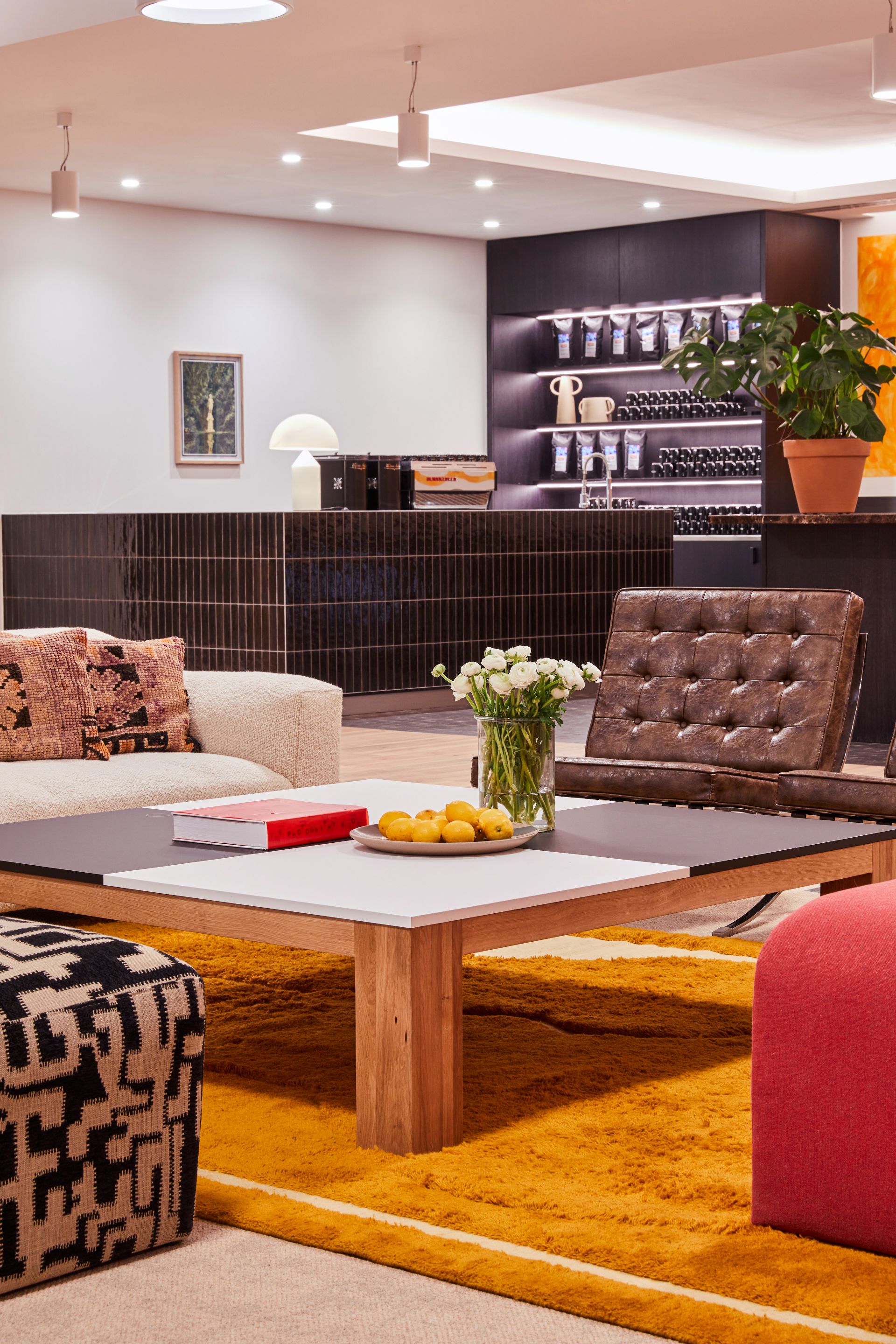
Operators appear increasingly comfortable tying profitability to membership revenue rather than desk-based utilisation. Monthly subscriptions, predictable, simple, and easy to explain, are becoming the economic backbone.
The Brighton “Projects Club” example captures this perfectly. Despite appearing ambivalent to member feedback about quiet pods or legacy space charging models, its flat £175 monthly fee offers clarity and operational stability at an affordable rate. The operator can then invest in community and vibe because the revenue model does not fluctuate with daily occupancy.
Change management is becoming a CX issue in its own right. Reconfigurations that remove meeting rooms or reduce privacy can feel like a broken promise. This highlights a deeper truth: in flex, expectations are part of the product. Operators must therefore choreograph change carefully, signal intent early, and sequence adjustments in a way that preserves the perceived “contract” with members.
Panellists agreed that the spirit of a new location, the building’s quirks, the design language, the spatial character, is not cosmetic. It shapes member mix, behaviours, and the narratives they tell about the space. This early-stage identity has long-tail effects on community formation, operational decisions, and ultimately financial performance.
The session implied that profitability in flex is less about “bums on seats” and more about creating a participation engine:
· An attractive facility mix
· A clear, well-executed service promise
· A community that generates energy and activity
· And a membership model that converts that participation into recurring revenue
At its best, the model works like a successful restaurant: vibrant, full, talked-about, a place people want to be. Atmosphere becomes a business asset.
A provocative question surfaced between the lines. Does the buzzy, community-first model still serve members whose businesses are maturing, scaling, or becoming more complex?
For some, yes. For others, the very qualities that attract early-stage users, energy, serendipity, openness, may conflict with the need for confidentiality, focus, ergonomic support, or predictable access to specific workspace types. And if the environment doesn’t consistently support getting work done, enthusiasm eventually cools.

At the recent Brave Ideas event, “Flex Space: What Is the Key to Profitability + Customer Experience?”, the discussion revealed a sector still defining what it wants to be, and for whom. Although many themes felt familiar, core tensions remain around how operators can scale sustainably. Attending the event allowed us to explore these issues firsthand and build on our experience delivering over 1 million sq ft of flex space for industry leaders, while gaining insights from both disruptors and emerging players shaping this dynamic industry.
A recurring theme was the push toward productisation: clear offers, repeatable formats, and a replicable operating model that travels across sites. Operators stressed that the “original concept” of a brand, its intended user, its vibe, and the promise it makes drives everything from roll-out principles to space allocation. This is less about interior design and more about codifying a service experience that can scale without diluting what made the concept compelling in the first place.
Customer experience (CX) was presented as the gravitational centre of the flex model. Net Promoter Score (NPS) remains the proxy metric of choice, but panellists were light on how they actually track the lived experience of members beyond episodic surveys. The reality is that operators observe users much like retailers do: flows, behaviours, dwell time, event attendance, complaints, and tacit signals of friction or delight.
The catch: “good CX” is not a universal standard. The operator’s own USP shapes it: cost-conscious simplicity, strong social programming, highly networked “community as the product”, or a curated lifestyle environment. However, these emphases often overlook the more mundane reality that many members simply need a place to work.
A subtle but important tension emerged around ergonomics and long-term wellbeing. Much of the flex aesthetic mirrors cafés, lounges, and informal social spaces. Great for atmosphere, but less optimal for sustained concentration or maintaining a healthy working posture. The question is whether the appeal of “being part of something cool” can continue to outweigh practical requirements as members advance in their careers or scale their businesses.
Operators appear increasingly comfortable tying profitability to membership revenue rather than desk-based utilisation. Monthly subscriptions, predictable, simple, and easy to explain, are becoming the economic backbone.
The Brighton “Projects Club” example captures this perfectly. Despite appearing ambivalent to member feedback about quiet pods or legacy space charging models, its flat £175 monthly fee offers clarity and operational stability at an affordable rate. The operator can then invest in community and vibe because the revenue model does not fluctuate with daily occupancy.
Change management is becoming a CX issue in its own right. Reconfigurations that remove meeting rooms or reduce privacy can feel like a broken promise. This highlights a deeper truth: in flex, expectations are part of the product. Operators must therefore choreograph change carefully, signal intent early, and sequence adjustments in a way that preserves the perceived “contract” with members.
Panellists agreed that the spirit of a new location, the building’s quirks, the design language, the spatial character, is not cosmetic. It shapes member mix, behaviours, and the narratives they tell about the space. This early-stage identity has long-tail effects on community formation, operational decisions, and ultimately financial performance.
The session implied that profitability in flex is less about “bums on seats” and more about creating a participation engine:
· An attractive facility mix
· A clear, well-executed service promise
· A community that generates energy and activity
· And a membership model that converts that participation into recurring revenue
At its best, the model works like a successful restaurant: vibrant, full, talked-about, a place people want to be. Atmosphere becomes a business asset.
A provocative question surfaced between the lines. Does the buzzy, community-first model still serve members whose businesses are maturing, scaling, or becoming more complex?
For some, yes. For others, the very qualities that attract early-stage users, energy, serendipity, openness, may conflict with the need for confidentiality, focus, ergonomic support, or predictable access to specific workspace types. And if the environment doesn’t consistently support getting work done, enthusiasm eventually cools.

At the recent Brave Ideas event, “Flex Space: What Is the Key to Profitability + Customer Experience?”, the discussion revealed a sector still defining what it wants to be, and for whom. Although many themes felt familiar, core tensions remain around how operators can scale sustainably. Attending the event allowed us to explore these issues firsthand and build on our experience delivering over 1 million sq ft of flex space for industry leaders, while gaining insights from both disruptors and emerging players shaping this dynamic industry.
A recurring theme was the push toward productisation: clear offers, repeatable formats, and a replicable operating model that travels across sites. Operators stressed that the “original concept” of a brand, its intended user, its vibe, and the promise it makes drives everything from roll-out principles to space allocation. This is less about interior design and more about codifying a service experience that can scale without diluting what made the concept compelling in the first place.
Customer experience (CX) was presented as the gravitational centre of the flex model. Net Promoter Score (NPS) remains the proxy metric of choice, but panellists were light on how they actually track the lived experience of members beyond episodic surveys. The reality is that operators observe users much like retailers do: flows, behaviours, dwell time, event attendance, complaints, and tacit signals of friction or delight.
The catch: “good CX” is not a universal standard. The operator’s own USP shapes it: cost-conscious simplicity, strong social programming, highly networked “community as the product”, or a curated lifestyle environment. However, these emphases often overlook the more mundane reality that many members simply need a place to work.
A subtle but important tension emerged around ergonomics and long-term wellbeing. Much of the flex aesthetic mirrors cafés, lounges, and informal social spaces. Great for atmosphere, but less optimal for sustained concentration or maintaining a healthy working posture. The question is whether the appeal of “being part of something cool” can continue to outweigh practical requirements as members advance in their careers or scale their businesses.
Operators appear increasingly comfortable tying profitability to membership revenue rather than desk-based utilisation. Monthly subscriptions, predictable, simple, and easy to explain, are becoming the economic backbone.
The Brighton “Projects Club” example captures this perfectly. Despite appearing ambivalent to member feedback about quiet pods or legacy space charging models, its flat £175 monthly fee offers clarity and operational stability at an affordable rate. The operator can then invest in community and vibe because the revenue model does not fluctuate with daily occupancy.
Change management is becoming a CX issue in its own right. Reconfigurations that remove meeting rooms or reduce privacy can feel like a broken promise. This highlights a deeper truth: in flex, expectations are part of the product. Operators must therefore choreograph change carefully, signal intent early, and sequence adjustments in a way that preserves the perceived “contract” with members.
Panellists agreed that the spirit of a new location, the building’s quirks, the design language, the spatial character, is not cosmetic. It shapes member mix, behaviours, and the narratives they tell about the space. This early-stage identity has long-tail effects on community formation, operational decisions, and ultimately financial performance.
The session implied that profitability in flex is less about “bums on seats” and more about creating a participation engine:
· An attractive facility mix
· A clear, well-executed service promise
· A community that generates energy and activity
· And a membership model that converts that participation into recurring revenue
At its best, the model works like a successful restaurant: vibrant, full, talked-about, a place people want to be. Atmosphere becomes a business asset.
A provocative question surfaced between the lines. Does the buzzy, community-first model still serve members whose businesses are maturing, scaling, or becoming more complex?
For some, yes. For others, the very qualities that attract early-stage users, energy, serendipity, openness, may conflict with the need for confidentiality, focus, ergonomic support, or predictable access to specific workspace types. And if the environment doesn’t consistently support getting work done, enthusiasm eventually cools.