


Download for free now
Thank you! Your submission has been received!
Oops! Something went wrong while submitting the form.


An exceptional workplace should feel effortless to use so people can do their best work without obstacles. When the design introduces friction - loud noises, uncomfortable furniture, or confusing layouts - it disrupts interaction and slows down productivity. A frictionless workplace is about removing barriers and making the everyday experience effortless.
We’ve all had days like this: You arrive, head to the coffee machine, and it fails. You settle for water and search for a desk near someone familiar. You set up your laptop, only to be delayed by a Microsoft Teams update message. At your mid-morning meeting, the screen won’t connect, your battery runs low, and the socket is just out of reach. Your laptop shuts down mid-call. Not the start you hoped for.
Now picture this: Someone checks equipment each morning. A tech bar fixes issues on the spot. You’ve pre-booked your space via the app. There are lockers, working AV, and no distractions. Everything is in place to help you get on with your day.

People experience frictionless environments without even noticing. Think of how quickly you can check out with one click when shopping online, or how simple it feels to order a coffee via an app, without ever joining a queue. Retail and hospitality brands have spent years refining these small moments to reduce friction and improve the customer experience.
Take supermarkets, for example. One of the most stressful moments for parents is getting a child to sit patiently in the trolley during the weekly shop. Many big-name supermarkets have designed a solution – trolleys with built-in toy cars. The child’s happy to climb in, and the parent can shop without a battle – a small change that removes a common point of friction.
M&S is a great example of a retailer using data, customer insights and employee suggestions to remove friction points and build solutions around shopper behaviours and missions. They encourage employees to share ideas, often finding solutions to problems that leadership didn’t even know existed. For example, a shopper planning a pizza night doesn’t need to hunt through the aisles – they’ll find pizzas, sides, toppings and sauces all in one dedicated section – because M&S recognise this is a common occasion.
Friction isn’t fixed by luck. It’s designed out deliberately, with the user in mind.
The best workplaces guide people through the day without resistance, distraction or confusion. Spot a friction point, solve it, and suddenly the whole experience improves. It’s about anticipating needs, reducing effort, and designing spaces that elevate workplace culture and experiences.
There are some key design considerations to help people move, work and connect with ease:
• People move through the space without confusion or delay
• Clear wayfinding, open sightlines, and soft curves create intuitive movement
• Zones for collaboration, focus, and social interaction support daily rhythm
• Landmarks help people orient quickly without breaking concentration
• Desk and room booking tools remove friction from planning the day
• Reliable AV makes hybrid meetings seamless
• Smart lighting and climate controls support personalised comfort
• High-speed WiFi ensures constant connection
• Natural light and biophilic elements boost mood and energy
• Acoustic controls keep noise contained
• Ergonomic furniture supports posture and reduces fatigue
• No two people work the same way. Design should reflect that
• Multiple settings for different work modes: solo, team, deep focus
• Inclusive design: step-free access, inclusive restrooms, and adjustable furniture as standard
• Sensory-safe areas support neurodivergent colleagues
• Great spaces only work if they are well-maintained
• Regular tech checks and quick response to issues keep friction low
• Clear feedback channels allow users to report problems fast
• Smart storage keeps shared zones tidy and distraction-free
The hospitality industry excels at designing spaces around how people feel, move and interact. Think intuitive layouts, effortless arrivals, and spaces that instantly make people feel welcome, comfortable and confident in where to go next.

We brought this thinking to Oliver Wyman’s new workplace, designing an arrival experience that feels more like a boutique hotel than a corporate reception. The entrance now serves a dual purpose, acting as a check-in point for guests and a working lounge for clients and employees. With a coffee bar, phone booths and coworking space, everything is in place to create a smooth, intuitive arrival.
Since the redesign, occupancy at the office has soared. The space now has a social energy that flows naturally from the entrance through to the wider workplace, creating an immersive and memorable experience where everything works seamlessly.
A well-designed workplace only works if people know how to use it. That means onboarding must include space orientation. Workplace experience roles – often called change champions – help teams adapt, troubleshoot in real time, and maintain alignment between design intent and actual use.
These roles monitor how space is used, gather feedback, and inform ongoing refinement. Without them, friction creeps back in and affects employee experience, especially as teams grow, systems evolve, and habits shift.
A frictionless workplace removes barriers and makes every interaction feel natural and intuitive. It’s about creating a stress-free, productive environment that people want to return to – not because they have to, but because it makes their workday better. It’s not necessarily about adding more – it’s about removing what’s getting in the way and designing a workspace that works for people, rather than against them.
So, where should you start?
• Talk to employees from different teams and roles to understand where the friction points really are.
• Appoint change champions who can keep the conversation going and turn feedback into action.
• Stay curious – listen, learn and adapt as needs evolve.
Planning your next workplace transformation? Talk to one of our experts to see how you can remove friction, improve flow, and make every day feel effortless.
An exceptional workplace should feel effortless to use so people can do their best work without obstacles. When the design introduces friction - loud noises, uncomfortable furniture, or confusing layouts - it disrupts interaction and slows down productivity. A frictionless workplace is about removing barriers and making the everyday experience effortless.
We’ve all had days like this: You arrive, head to the coffee machine, and it fails. You settle for water and search for a desk near someone familiar. You set up your laptop, only to be delayed by a Microsoft Teams update message. At your mid-morning meeting, the screen won’t connect, your battery runs low, and the socket is just out of reach. Your laptop shuts down mid-call. Not the start you hoped for.
Now picture this: Someone checks equipment each morning. A tech bar fixes issues on the spot. You’ve pre-booked your space via the app. There are lockers, working AV, and no distractions. Everything is in place to help you get on with your day.
People experience frictionless environments without even noticing. Think of how quickly you can check out with one click when shopping online, or how simple it feels to order a coffee via an app, without ever joining a queue. Retail and hospitality brands have spent years refining these small moments to reduce friction and improve the customer experience.
Take supermarkets, for example. One of the most stressful moments for parents is getting a child to sit patiently in the trolley during the weekly shop. Many big-name supermarkets have designed a solution – trolleys with built-in toy cars. The child’s happy to climb in, and the parent can shop without a battle – a small change that removes a common point of friction.
M&S is a great example of a retailer using data, customer insights and employee suggestions to remove friction points and build solutions around shopper behaviours and missions. They encourage employees to share ideas, often finding solutions to problems that leadership didn’t even know existed. For example, a shopper planning a pizza night doesn’t need to hunt through the aisles – they’ll find pizzas, sides, toppings and sauces all in one dedicated section – because M&S recognise this is a common occasion.
Friction isn’t fixed by luck. It’s designed out deliberately, with the user in mind.
The best workplaces guide people through the day without resistance, distraction or confusion. Spot a friction point, solve it, and suddenly the whole experience improves. It’s about anticipating needs, reducing effort, and designing spaces that elevate workplace culture and experiences.
There are some key design considerations to help people move, work and connect with ease:
• People move through the space without confusion or delay
• Clear wayfinding, open sightlines, and soft curves create intuitive movement
• Zones for collaboration, focus, and social interaction support daily rhythm
• Landmarks help people orient quickly without breaking concentration
• Desk and room booking tools remove friction from planning the day
• Reliable AV makes hybrid meetings seamless
• Smart lighting and climate controls support personalised comfort
• High-speed WiFi ensures constant connection
• Natural light and biophilic elements boost mood and energy
• Acoustic controls keep noise contained
• Ergonomic furniture supports posture and reduces fatigue
• No two people work the same way. Design should reflect that
• Multiple settings for different work modes: solo, team, deep focus
• Inclusive design: step-free access, inclusive restrooms, and adjustable furniture as standard
• Sensory-safe areas support neurodivergent colleagues
• Great spaces only work if they are well-maintained
• Regular tech checks and quick response to issues keep friction low
• Clear feedback channels allow users to report problems fast
• Smart storage keeps shared zones tidy and distraction-free
The hospitality industry excels at designing spaces around how people feel, move and interact. Think intuitive layouts, effortless arrivals, and spaces that instantly make people feel welcome, comfortable and confident in where to go next.
We brought this thinking to Oliver Wyman’s new workplace, designing an arrival experience that feels more like a boutique hotel than a corporate reception. The entrance now serves a dual purpose, acting as a check-in point for guests and a working lounge for clients and employees. With a coffee bar, phone booths and coworking space, everything is in place to create a smooth, intuitive arrival.
Since the redesign, occupancy at the office has soared. The space now has a social energy that flows naturally from the entrance through to the wider workplace, creating an immersive and memorable experience where everything works seamlessly.
A well-designed workplace only works if people know how to use it. That means onboarding must include space orientation. Workplace experience roles – often called change champions – help teams adapt, troubleshoot in real time, and maintain alignment between design intent and actual use.
These roles monitor how space is used, gather feedback, and inform ongoing refinement. Without them, friction creeps back in and affects employee experience, especially as teams grow, systems evolve, and habits shift.
A frictionless workplace removes barriers and makes every interaction feel natural and intuitive. It’s about creating a stress-free, productive environment that people want to return to – not because they have to, but because it makes their workday better. It’s not necessarily about adding more – it’s about removing what’s getting in the way and designing a workspace that works for people, rather than against them.
So, where should you start?
• Talk to employees from different teams and roles to understand where the friction points really are.
• Appoint change champions who can keep the conversation going and turn feedback into action.
• Stay curious – listen, learn and adapt as needs evolve.
Planning your next workplace transformation? Talk to one of our experts to see how you can remove friction, improve flow, and make every day feel effortless.
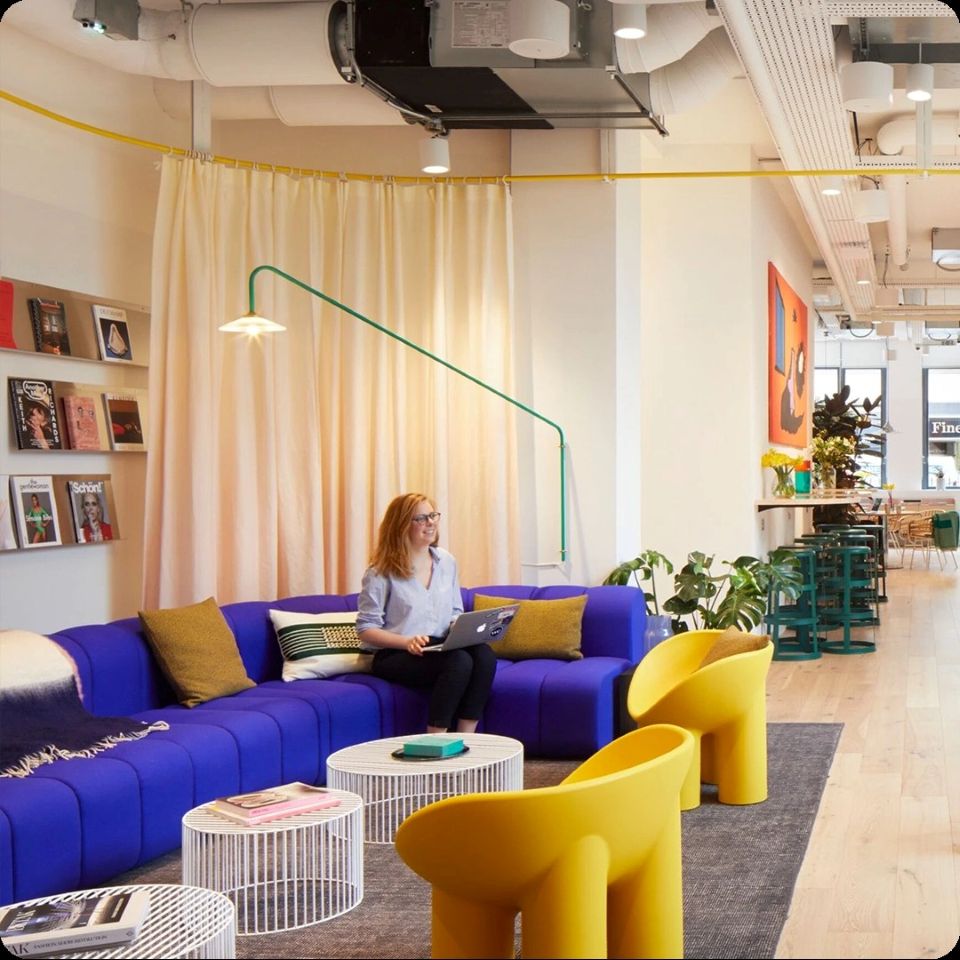
An exceptional workplace should feel effortless to use so people can do their best work without obstacles. When the design introduces friction - loud noises, uncomfortable furniture, or confusing layouts - it disrupts interaction and slows down productivity. A frictionless workplace is about removing barriers and making the everyday experience effortless.
We’ve all had days like this: You arrive, head to the coffee machine, and it fails. You settle for water and search for a desk near someone familiar. You set up your laptop, only to be delayed by a Microsoft Teams update message. At your mid-morning meeting, the screen won’t connect, your battery runs low, and the socket is just out of reach. Your laptop shuts down mid-call. Not the start you hoped for.
Now picture this: Someone checks equipment each morning. A tech bar fixes issues on the spot. You’ve pre-booked your space via the app. There are lockers, working AV, and no distractions. Everything is in place to help you get on with your day.
People experience frictionless environments without even noticing. Think of how quickly you can check out with one click when shopping online, or how simple it feels to order a coffee via an app, without ever joining a queue. Retail and hospitality brands have spent years refining these small moments to reduce friction and improve the customer experience.
Take supermarkets, for example. One of the most stressful moments for parents is getting a child to sit patiently in the trolley during the weekly shop. Many big-name supermarkets have designed a solution – trolleys with built-in toy cars. The child’s happy to climb in, and the parent can shop without a battle – a small change that removes a common point of friction.
M&S is a great example of a retailer using data, customer insights and employee suggestions to remove friction points and build solutions around shopper behaviours and missions. They encourage employees to share ideas, often finding solutions to problems that leadership didn’t even know existed. For example, a shopper planning a pizza night doesn’t need to hunt through the aisles – they’ll find pizzas, sides, toppings and sauces all in one dedicated section – because M&S recognise this is a common occasion.
Friction isn’t fixed by luck. It’s designed out deliberately, with the user in mind.
The best workplaces guide people through the day without resistance, distraction or confusion. Spot a friction point, solve it, and suddenly the whole experience improves. It’s about anticipating needs, reducing effort, and designing spaces that elevate workplace culture and experiences.
There are some key design considerations to help people move, work and connect with ease:
• People move through the space without confusion or delay
• Clear wayfinding, open sightlines, and soft curves create intuitive movement
• Zones for collaboration, focus, and social interaction support daily rhythm
• Landmarks help people orient quickly without breaking concentration
• Desk and room booking tools remove friction from planning the day
• Reliable AV makes hybrid meetings seamless
• Smart lighting and climate controls support personalised comfort
• High-speed WiFi ensures constant connection
• Natural light and biophilic elements boost mood and energy
• Acoustic controls keep noise contained
• Ergonomic furniture supports posture and reduces fatigue
• No two people work the same way. Design should reflect that
• Multiple settings for different work modes: solo, team, deep focus
• Inclusive design: step-free access, inclusive restrooms, and adjustable furniture as standard
• Sensory-safe areas support neurodivergent colleagues
• Great spaces only work if they are well-maintained
• Regular tech checks and quick response to issues keep friction low
• Clear feedback channels allow users to report problems fast
• Smart storage keeps shared zones tidy and distraction-free
The hospitality industry excels at designing spaces around how people feel, move and interact. Think intuitive layouts, effortless arrivals, and spaces that instantly make people feel welcome, comfortable and confident in where to go next.
We brought this thinking to Oliver Wyman’s new workplace, designing an arrival experience that feels more like a boutique hotel than a corporate reception. The entrance now serves a dual purpose, acting as a check-in point for guests and a working lounge for clients and employees. With a coffee bar, phone booths and coworking space, everything is in place to create a smooth, intuitive arrival.
Since the redesign, occupancy at the office has soared. The space now has a social energy that flows naturally from the entrance through to the wider workplace, creating an immersive and memorable experience where everything works seamlessly.
A well-designed workplace only works if people know how to use it. That means onboarding must include space orientation. Workplace experience roles – often called change champions – help teams adapt, troubleshoot in real time, and maintain alignment between design intent and actual use.
These roles monitor how space is used, gather feedback, and inform ongoing refinement. Without them, friction creeps back in and affects employee experience, especially as teams grow, systems evolve, and habits shift.
A frictionless workplace removes barriers and makes every interaction feel natural and intuitive. It’s about creating a stress-free, productive environment that people want to return to – not because they have to, but because it makes their workday better. It’s not necessarily about adding more – it’s about removing what’s getting in the way and designing a workspace that works for people, rather than against them.
So, where should you start?
• Talk to employees from different teams and roles to understand where the friction points really are.
• Appoint change champions who can keep the conversation going and turn feedback into action.
• Stay curious – listen, learn and adapt as needs evolve.
Planning your next workplace transformation? Talk to one of our experts to see how you can remove friction, improve flow, and make every day feel effortless.